

Inside Limitless
Inside The Limitless Program
Every week, students step into a room where getting stuck is normal, curiosity sets the direction, and the people beside them keep up.
What Limitless is
A complete program for busy schools
Limitless is a flexible enrichment program for gifted and high-potential students aged 8–11 and 12–14, built for schools that want provision their students can actually feel.
Facilitators guide rather than lecture. Ready-to-use program content and materials are already there, with flexibility to adapt the balance to the students and timetable. A gifted education specialist stays with them throughout the year.

Who it is for
Gifted is not the same as high achieving
Some gifted students top every class. Others mask their ability, disengage, or are never noticed at all. Limitless is built for both.
High performers who need more than good grades
Without real challenge, motivation and resilience quietly erode.
Underachieving gifted students
Ability that no longer shows up in results, and often has not for a while.
Students whose potential is not yet visible
Strong reasoning, curiosity or insight that grades and tests have missed.
Twice-exceptional students
Gifted students with ADHD, dyslexia or autism, whose strengths and difficulties mask each other.
Recently relocated students
A new country, a new language, and a level of challenge that has dropped away.

our mission
Limitless is grounded in Deci and Ryan’s Self-Determination Theory. Our goal is to give every gifted and high-potential student the three conditions they need to thrive: a meaningful level of challenge, genuine choice in their learning and connection with peers who understand them.
Challenge
Problems without an obvious answer, pitched at the level these students actually work at.
Choice
Real say over what they explore, build and follow, session after session.
Connection
A weekly group of students who think in the same way and keep up with each other.
Why Limitless exists.
What students develop
Skills students develop through Limitless
Students learn to develop their ideas, ask deeper questions, communicate complex thinking and respond thoughtfully to the perspectives of others.
Critical and creative thinking
Complex problem-solving
Metacognition and self-awareness
Intellectual risk-taking and resilience
Independent inquiry
Collaboration and communication
Project planning and follow-through
Shaping, questioning and communicating complex ideas
Into the regular classroom
Beyond the Limitless session
Learning does not need to stop when the weekly Limitless session ends. With their teacher’s agreement, students can continue developing their projects when they finish regular classwork early, turning this time into purposeful, self-directed learning.
This helps students transfer the independence, planning and thinking skills developed in Limitless into their everyday learning.
A Limitless session
What actually happens in Limitless
designed by a gifted education specialist
Schools have different timetables, students and contexts. Limitless provides a consistent framework without forcing every group into the same minute-by-minute lesson. The facilitator adjusts the balance of the different elements.


Limitless planning software
Lessons built in minutes, not evening.
Every Limitless session, challenge, project and slide deck lives in one place. Your facilitator filters by age group, theme or session element, previews the materials and assembles the week’s session in a few clicks, then adapts it to the students in front of them.
- Search the full Limitless library by age, theme and session element
- Preview ready-made slides, challenges and project briefs
- Build and save a session plan, then adjust it year on year
- New content added centrally, available to every school straight away
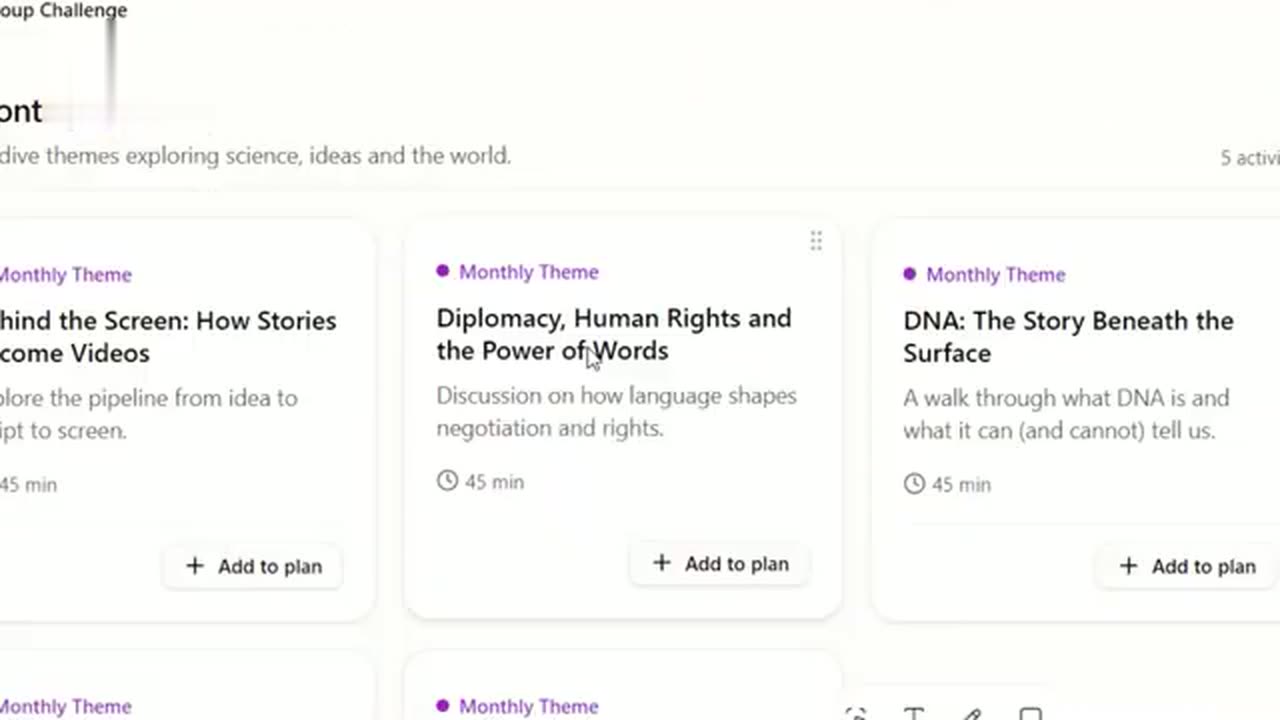
Planning, materials and student work in one place, so the teacher spends their time on the group, not on preparation.
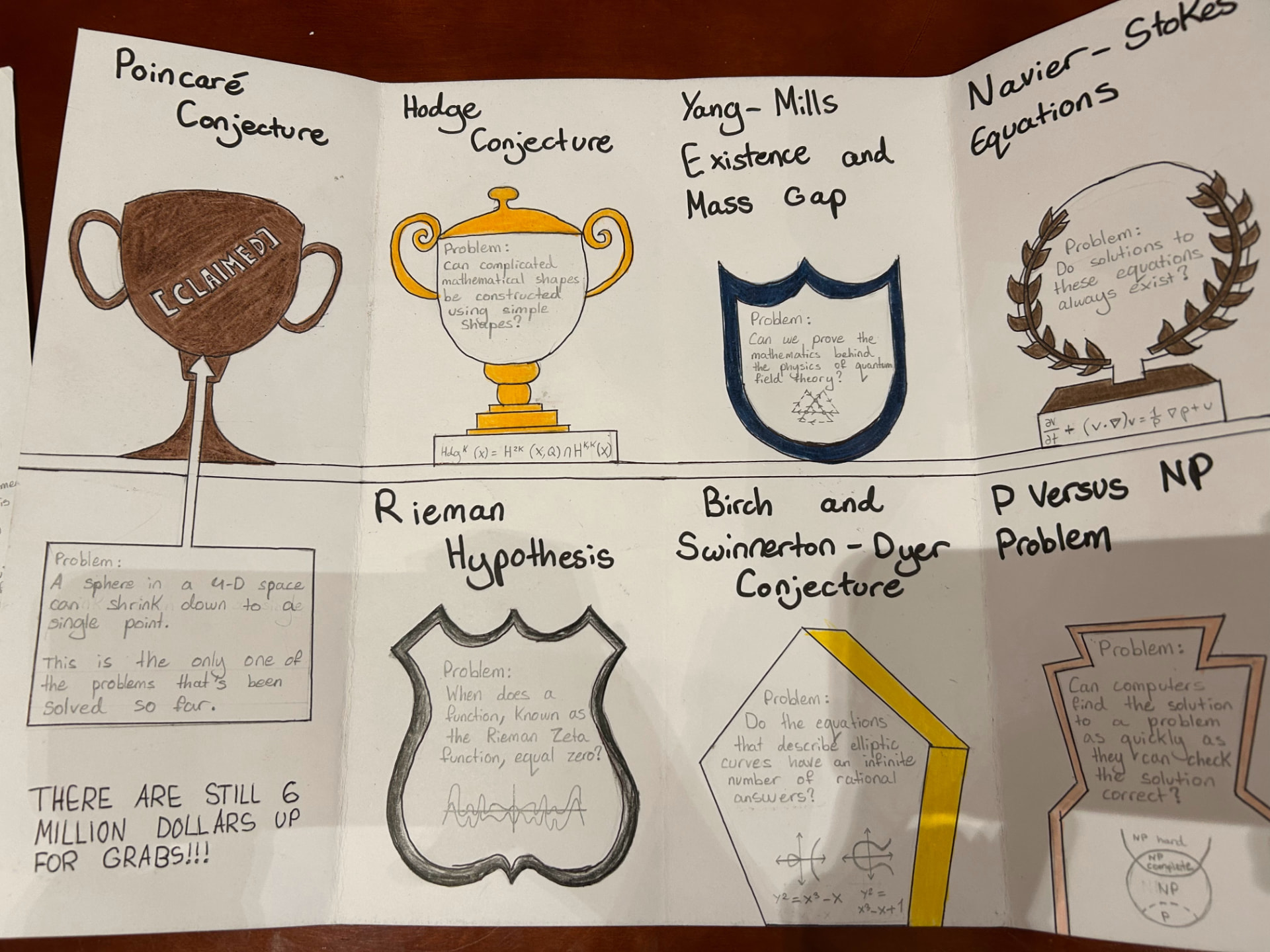
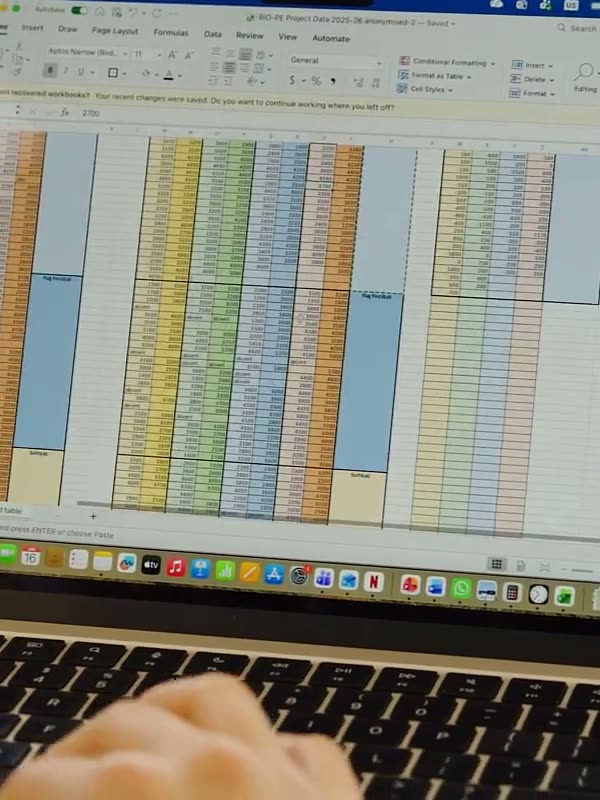
Projects
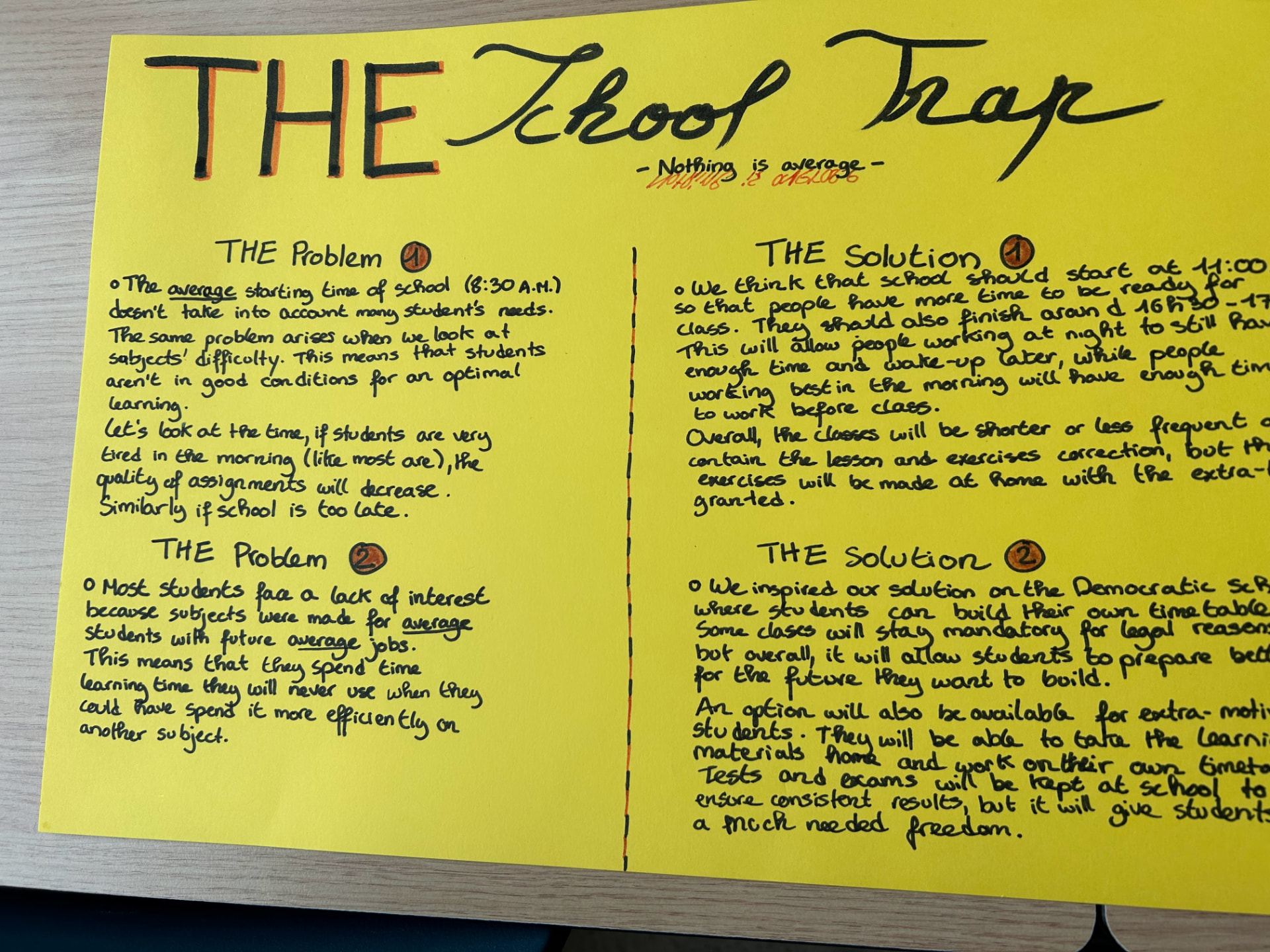
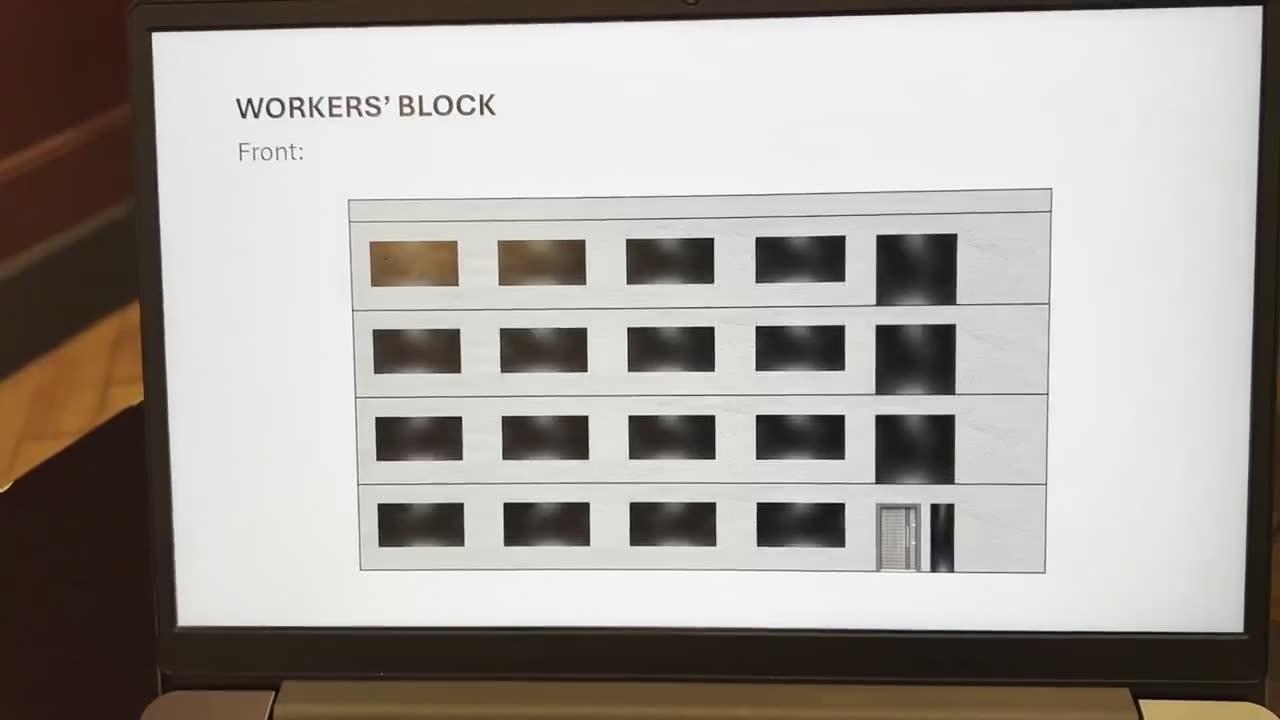
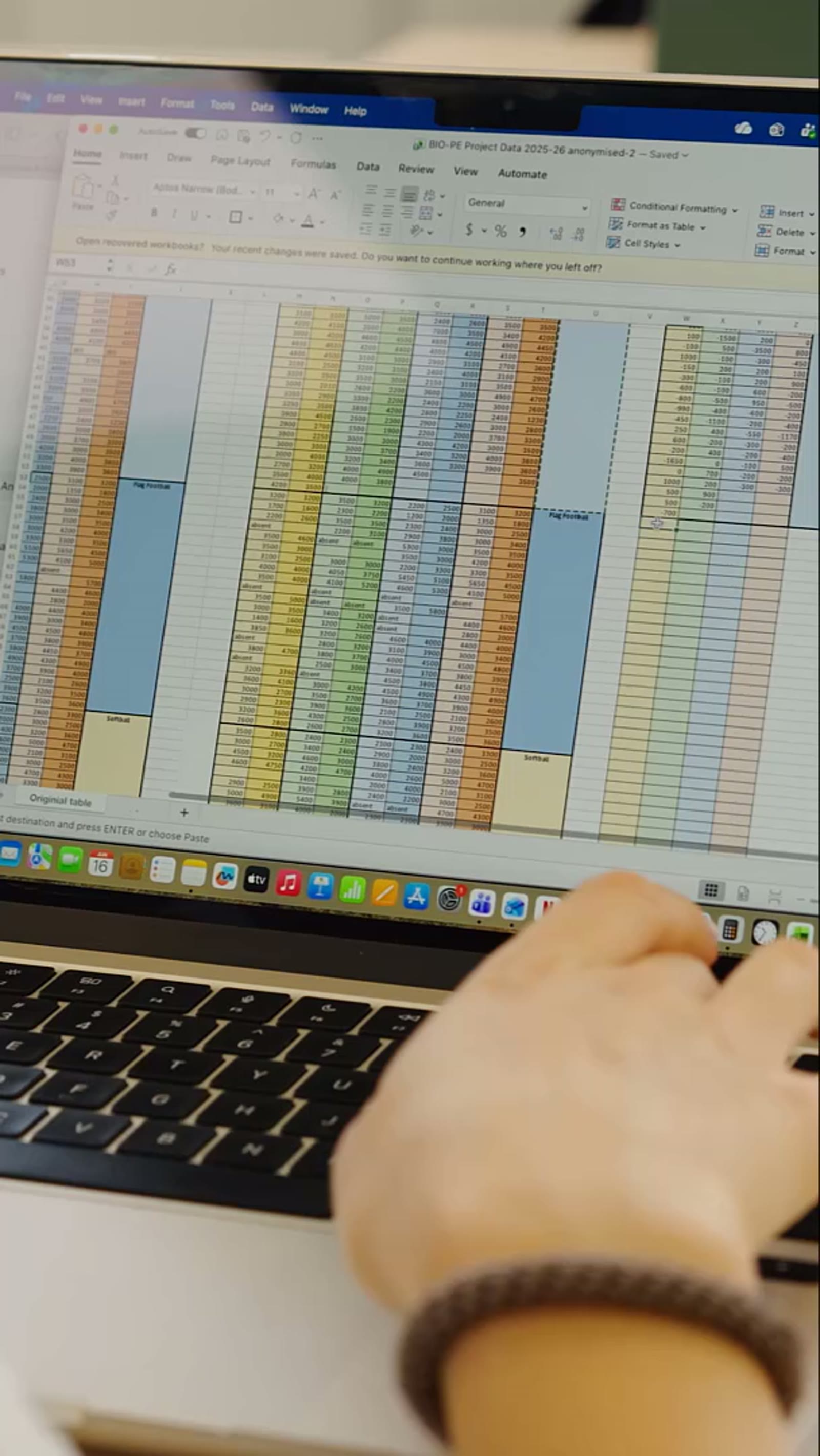
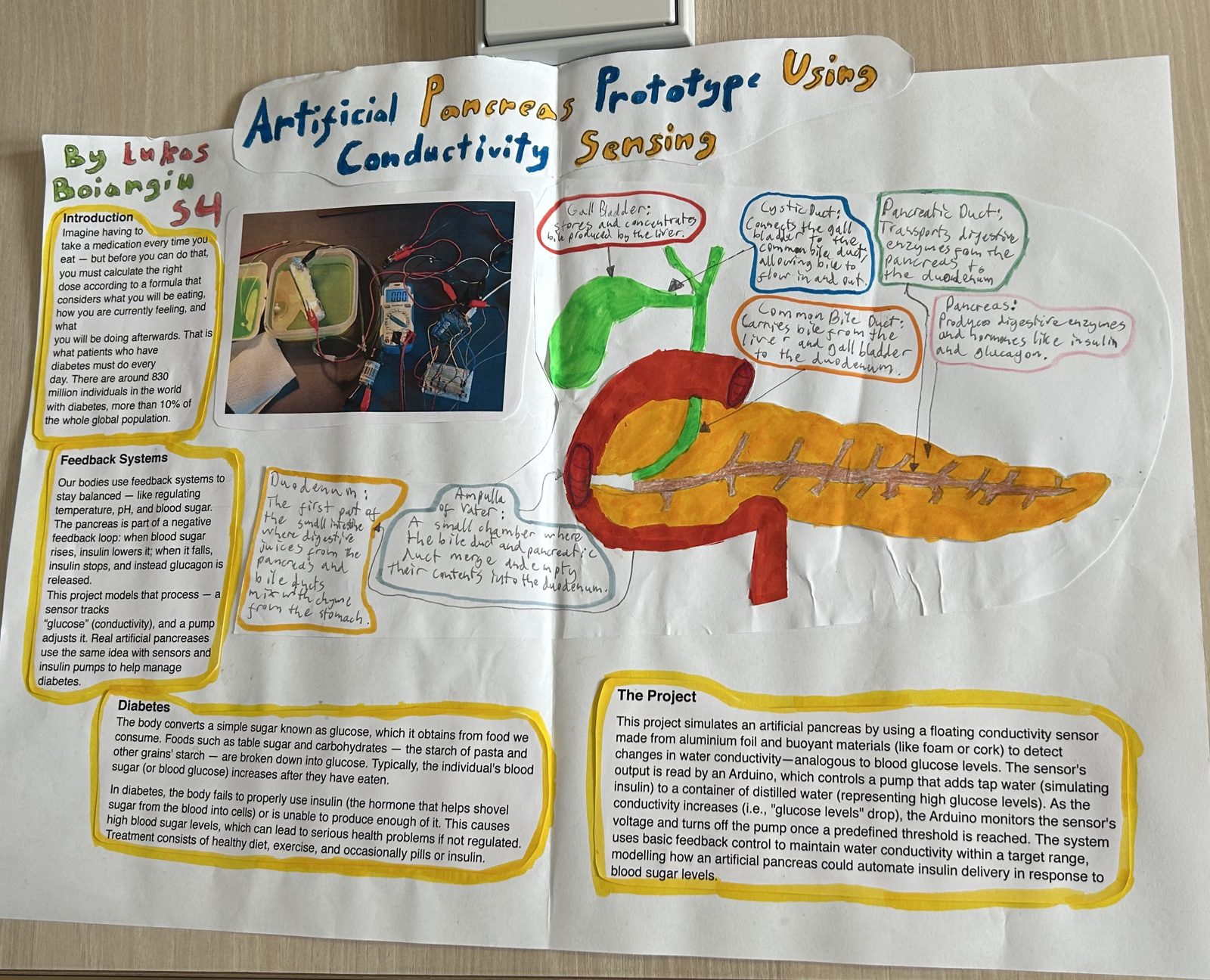
What students make
Schools and teachers describe the same shift: students who had switched off begin to choose the harder question, and start to find people who think like they do.



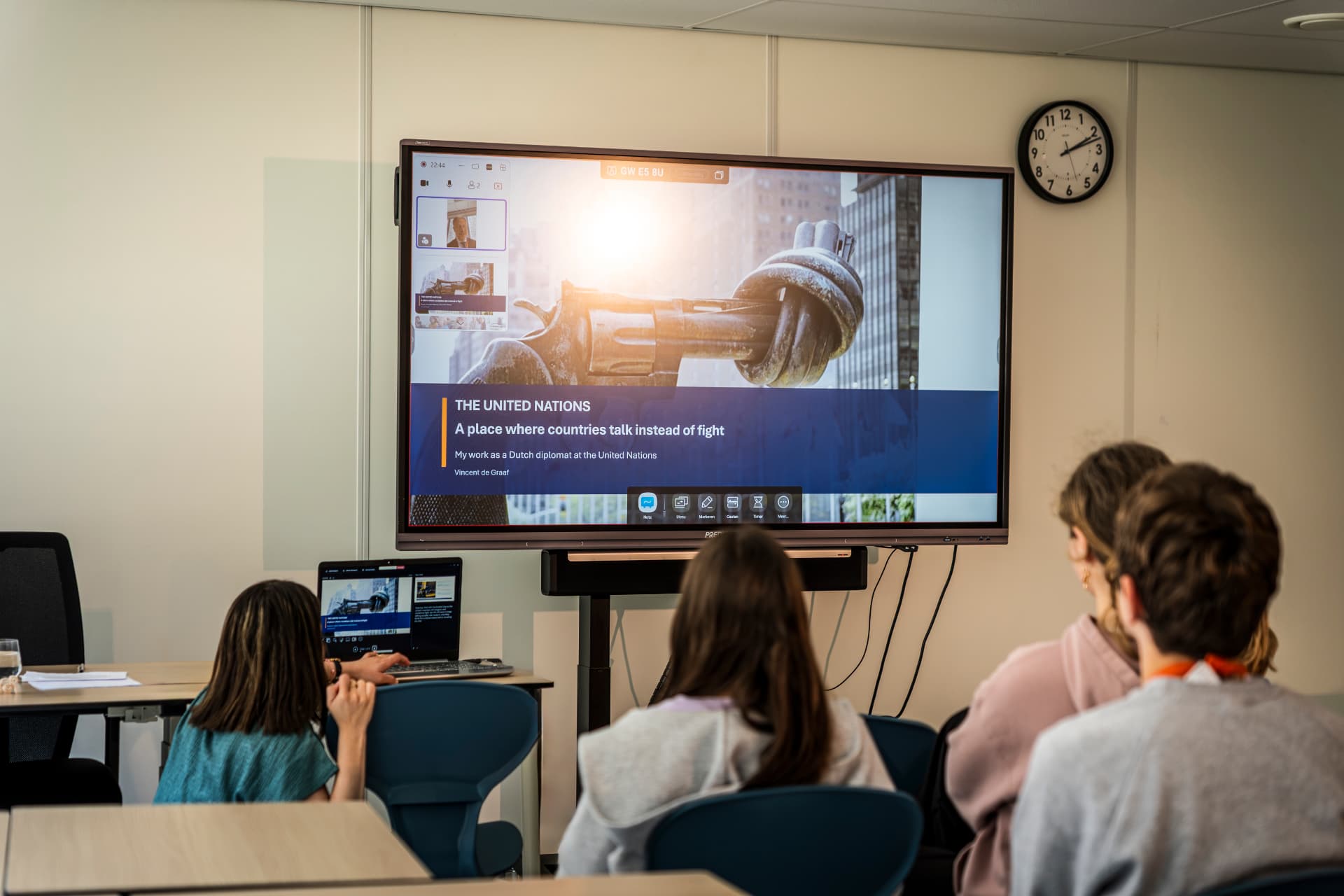
See Limitless in action
It is easier to understand when you can see the room.
Bring Limitless to your school.
A short information meeting is usually enough to work out which format fits your timetable and who could lead it.